How to Get a US Business Credit Card Without an SSN
You do not need a Social Security Number to get a US business credit card. You need a US LLC, an EIN, and to pick the right route. EIN-only corporate cards underwrite your business, not you. Traditional cards accept an ITIN in place of an SSN. Here is exactly which is which, who approves, and the order that actually works.
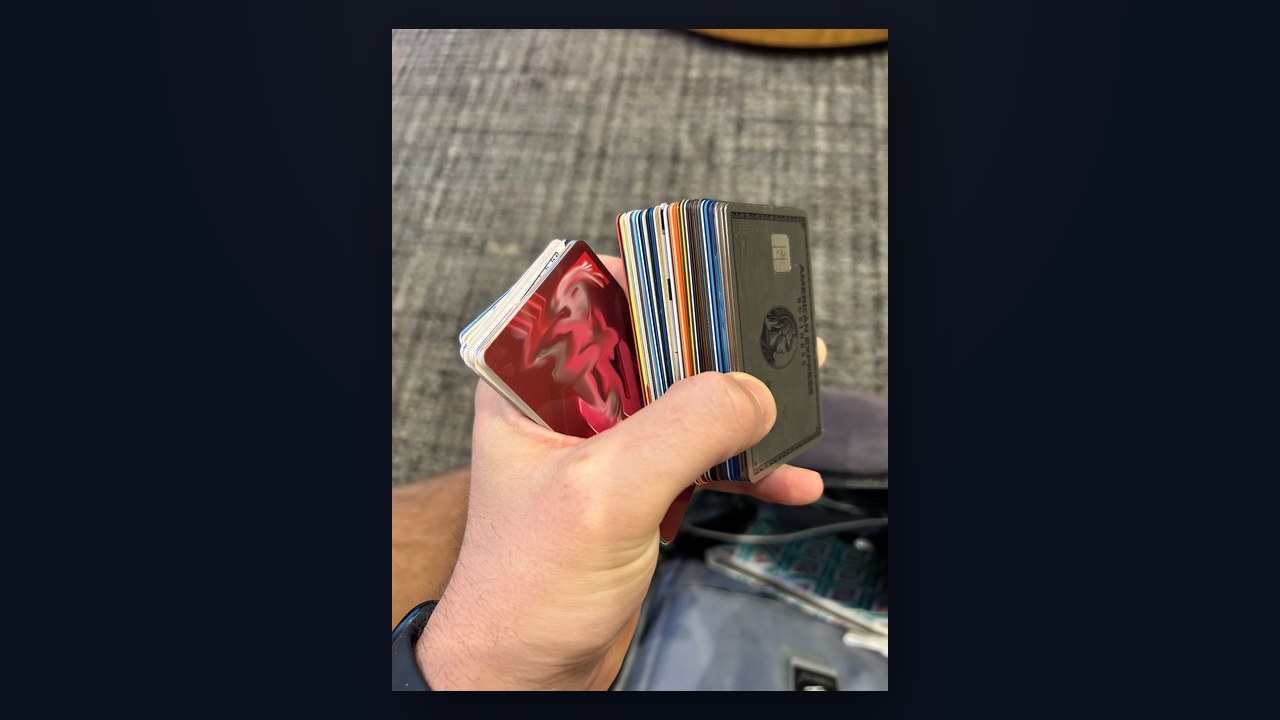
The short answer: how to get a US credit card without SSN or ITIN
A US business credit card without an SSN is not a loophole. It is the normal path for a foreign founder, and it splits into two routes.
Route 1: EIN-only corporate cards. Cards like Ramp and Brex underwrite your company, not your personal credit. They look at your US business bank balance and revenue. No SSN, no ITIN, and no personal guarantee. If your LLC has cash in a US account, this is often your first approval.
Route 2: ITIN-backed business credit cards. Traditional issuers (American Express, Capital One, and most banks) will take an ITIN where the form asks for an SSN. These are personal-guarantee cards, so they build your personal US credit and unlock the premium Amex ladder over time.
Both routes require the same two things first: a US LLC and an EIN. Get those, and the SSN question disappears.
Route 1: EIN-only corporate cards, a US credit card without SSN and ITIN
This is the fastest route to your first US card because it skips personal credit entirely.
Corporate cards from Ramp and Brex are underwritten against your business, not you. The application asks for your EIN, your US business bank account, and your company details. It does not ask for an SSN, it does not pull a personal credit report, and there is no personal guarantee. Approval is based on your cash balance and cash flow.
The practical requirement most founders miss: you usually need a meaningful balance in a US business account (often in the low tens of thousands) for a smooth approval, because that balance is the underwriting. Fund the account first, then apply.
Why start here: an EIN-only corporate card reports to the business credit bureaus (Dun and Bradstreet, Experian Business). That reported history is what makes your next application, a personal-guarantee Amex, far easier. The first card is a tool to build the file, not the destination.
Route 2: ITIN-backed cards, including an Amex credit card without SSN
To get a traditional business credit card (the ones with points, lounges, and the Amex name), you need an ITIN.
An ITIN (Individual Taxpayer Identification Number) is the IRS tax ID for people who cannot get an SSN. On a card application, it goes in the same field an American would put their SSN. American Express, Capital One, Bank of America, and Citi all accept it. The card is tied to a personal guarantee, which is exactly why it builds your personal US credit history, the thing that eventually gets you approved for a Business Platinum.
You apply for an ITIN with Form W-7. For most European founders the clean route is a Certified Acceptance Agent, who verifies your passport by video so you never mail it. Budget 7 to 11 weeks.
What issuers check when applying for a US credit card without credit history
Whichever route you take, approval comes down to a short list. Understanding it stops you from applying too early and eating a decline.
| Card type | Needs SSN? | ITIN accepted? | What it underwrites |
|---|---|---|---|
| EIN-only corporate (Ramp, Brex) | No | Not needed | Business bank balance and cash flow |
| Amex Business (Gold, Platinum) | No | Yes | Personal guarantee via ITIN plus business profile |
| Capital One Business | No | Yes | Personal credit via ITIN |
| Chase Ink Business | Usually | Rarely | Strong US credit history, hardest for foreigners |
Note on Chase: the Ink cards are excellent but Chase is the least foreigner-friendly of the major issuers and often effectively wants an SSN and an established US file. Treat Chase as a later target, not a first application.
The Order That Actually Works
The mistake foreign founders make is applying for an Amex on day one, getting declined for a thin file, and concluding it is impossible. It is not impossible, it is out of order. Here is the sequence that works.
- Form a US LLC. Wyoming or Delaware for most non-residents. This is your US identity.
- Get your EIN. Free from the IRS. This is your business tax ID and it replaces the SSN for the company.
- Open a US business bank account. Mercury or Relay approve non-residents remotely with just your EIN and passport. Fund it.
- Apply for an EIN-only corporate card. Ramp or Brex, underwritten on that balance. This is usually your first approval and it starts your business credit file.
- Get your ITIN. File Form W-7 through a Certified Acceptance Agent while the business builds a few months of activity.
- Apply for an Amex Business card with your ITIN. After 3 to 6 months of a funded account and a reported corporate card, this approval gets much easier.
Each step makes the next one easier. Skip steps and you get declines. Follow the order and the declines mostly disappear.
Corporate Cards vs Credit Cards: The Difference That Matters
These two terms get used interchangeably and they are not the same.
A corporate card (Ramp, Brex) is a charge card underwritten on your business. Balance paid in full monthly, no personal guarantee, no personal credit impact, built for companies with cash. Easiest first card for a foreign founder.
A business credit card (Amex, Capital One) usually carries a personal guarantee, reports to personal or business bureaus, and can carry a revolving balance. This is where the points, the premium tiers, and the long-term credit building live.
You want both, in that order. The corporate card gets you liquidity and a business file fast. The credit card builds the personal history and unlocks the premium ladder.
When This Doesn't Apply
Be honest about whether you are ready. These cards are harder or blocked if:
- Your LLC has no cash and no revenue. EIN-only cards underwrite your balance. An empty account gets declined. Build or fund the business first.
- You have not opened a US business account yet. No US banking relationship means nothing to underwrite. The bank account comes before any card.
- You are in crypto, gambling, adult, or cannabis. Mercury, Relay, Brex, and Ramp auto-decline these industries, which blocks the whole chain.
- You hold a passport from an OFAC-sanctioned country. Automatic decline at nearly every US bank and issuer, regardless of EIN or ITIN.
- You want an Amex tomorrow. The premium cards reward a few months of history. Applying first, before the corporate card and funded account, is the most common self-inflicted decline.
Frequently Asked Questions
Can a non-resident get a US business credit card without an SSN?
Yes. EIN-only corporate cards (Ramp, Brex) approve your company on its cash balance with no SSN or personal guarantee. Traditional business cards (Amex, Capital One) accept an ITIN in place of an SSN. Both require a US LLC and an EIN first.
Do I need an ITIN to get a US business card?
Not for EIN-only corporate cards like Ramp and Brex, which underwrite the business, not you. You do need an ITIN for traditional personal-guarantee cards from Amex, Capital One, and most banks, because the application has a taxpayer-ID field that an EIN alone does not satisfy.
Which US card is easiest to get first as a foreign founder?
An EIN-only corporate card (Ramp or Brex) is usually the easiest first approval because it ignores personal credit and underwrites your business bank balance. Once you have a few months of reported activity, you graduate to an Amex Business card using your ITIN.
Does opening a US business card build my personal credit?
EIN-only corporate cards build business credit (Dun and Bradstreet, Experian Business), not personal FICO. Personal-guarantee cards tied to your ITIN build personal US credit history once the issuer reports it. For a full profile you want both, in that order.
Will no US credit history get me declined?
No US history is normal for a foreign founder and is not a decline reason for EIN-only corporate cards, which do not pull personal credit. For personal-guarantee cards, apply only after you have a funded US business account and some activity.
Are you a good fit?
Find out if you are a good fit for the US credit system or the US banking system. See what you would qualify for in about two minutes.
Find out if you're a good fit →Takes 2 minutes · Free